

Terminal Manoeuvring Areas (TMAs) are complex and congested environments in modern aviation. As traffic volumes continue to rise, Air Traffic Controllers (ATCOs) managing these convergence zones face an increasing tactical burden.
In TADA, the objective is to develop an AI-powered Digital Assistant that supports approach controllers by calculating trajectories that align with Arrival Manager (AMAN) sequences.
However, introducing Artificial Intelligence into Air Traffic Control requires more than just advanced Machine Learning algorithms. It requires absolute operational safety, trust, and usability. To ensure our digital assistant meets these rigorous standards, the TADA Team implemented a detailed Human-Centred Design (HCD) approach to validate the concept.
A Human-Centred Design Approach
To guarantee that our solution is truly human-centric, the validation strategy was divided into three iterative stages. This approach ensured that the system evolved progressively, guided directly by the needs of the ATCOs who will ultimately use it.
1. Building the Foundation: Expert Workshops
Before any simulation began, we needed to ensure our operational concepts and requirements were sound. In January 2025, the consortium hosted a two-day workshop at the Milan ACC, involving professional ATCOs and our External Experts Advisory Board.
-
-
Participants were divided into groups to review the Operational Service and Environment Definition (OSED) and the Functional Requirements Document (FRD).
-
The groups provided feedback on the initial Human-Machine Interface (HMI) requirements, ranking their operational importance and identifying potential barriers to acceptance.
-
2. Early Testing: Low-Fidelity Simulation (LFS)
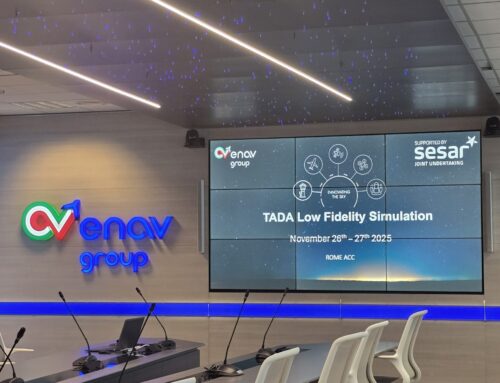
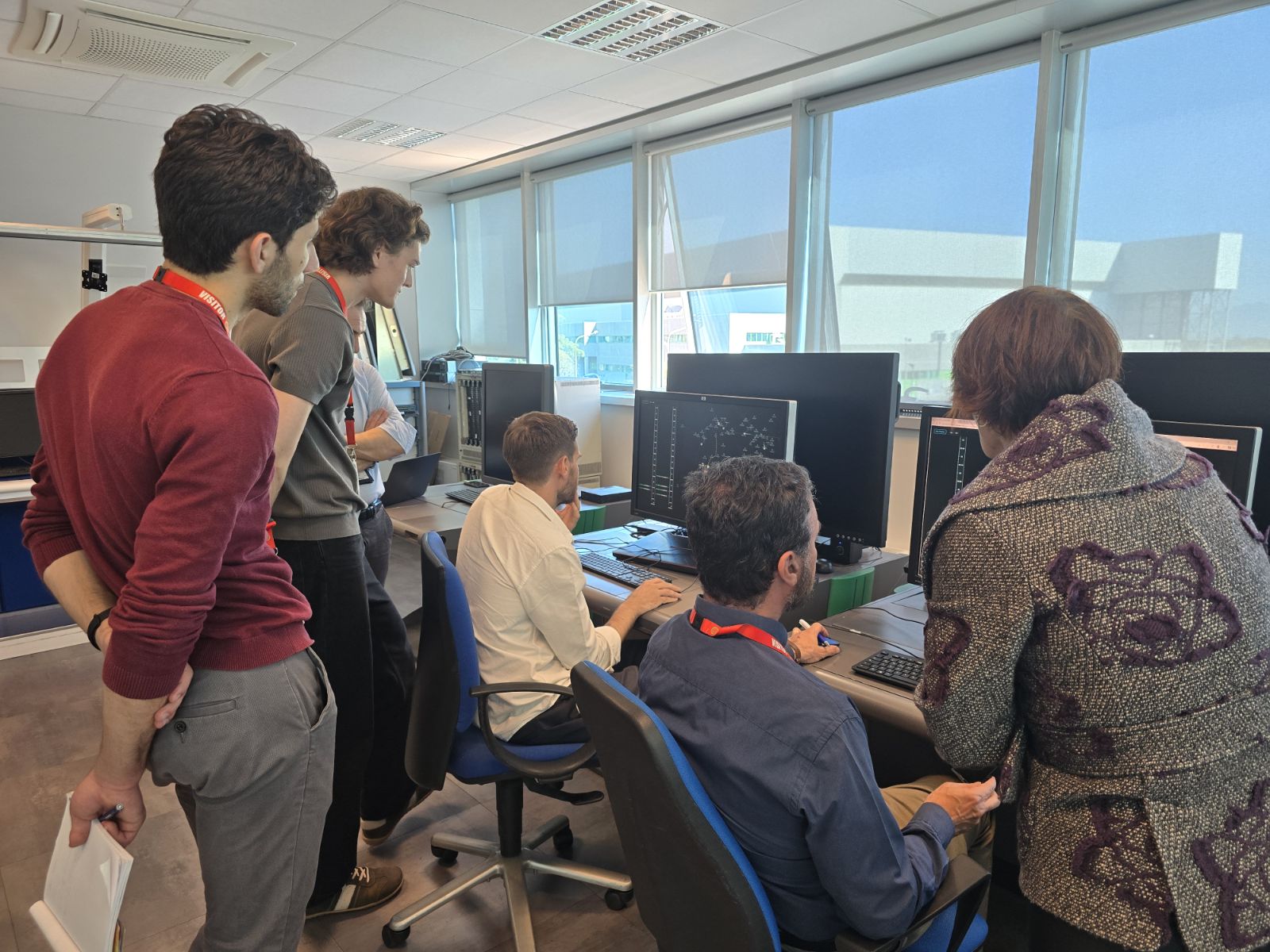
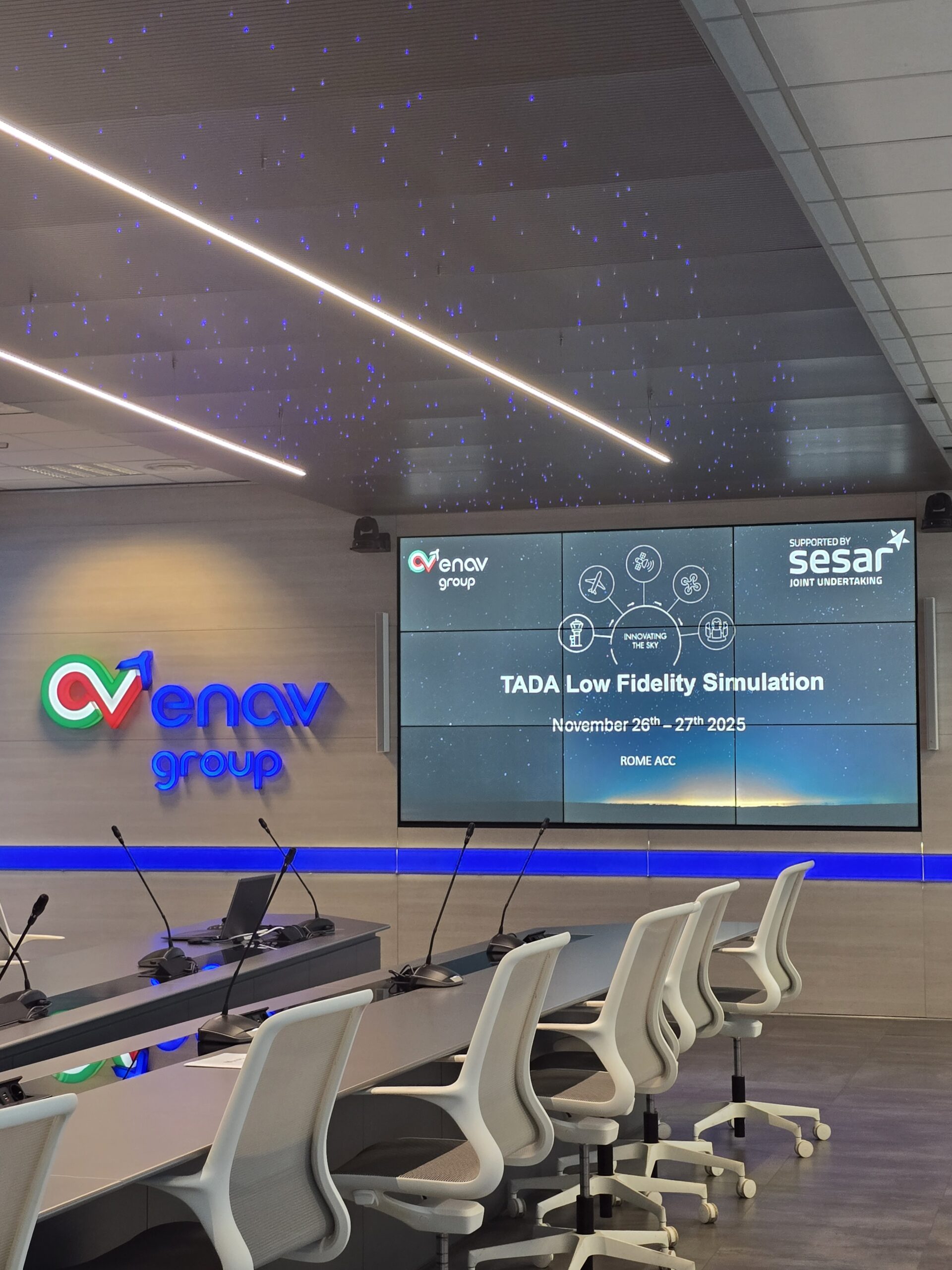
Once the initial HMI concepts were developed, the project moved to the LFS phase in November 2025 at the ENAV premises in Ciampino ACC, Rome.
-
-
Using a cloud-based simulation platform, ATCOs interacted with an early, low-fidelity prototype of the TADA interface.
-
This exercise utilised scenarios based on Milano Malpensa airport, featuring parallel runways and trombone arrival structures.
-
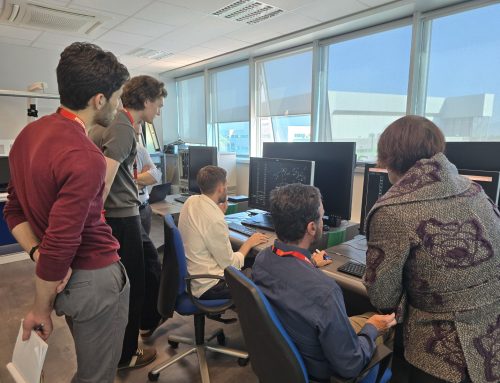
By employing qualitative data collection methods such as “thinking aloud,” over-the-shoulder observations, and post-simulation interviews, the team captured reactions and identified usability strengths and weaknesses early in the development cycle.
-
3. The Ultimate Test: Human-in-the-Loop Real-Time Simulation (RTS)
The capstone of the TADA validation plan was the Real-Time Simulation (RTS), which took place in April 2026, also at Ciampino ACC. This phase provided a full-scale test of the TADA prototype under highly realistic conditions.
-
-
The simulation platform was specifically adapted to create a complex TMA operational environment, requiring three ATCOs to control different sectors simultaneously.
-
The RTS was designed to evaluate the operational feasibility of the solution, focusing heavily on human performance, cognitive workload, and situational awareness.
-
What Comes Next?
With the RTS exercises now successfully concluded, the TADA consortium is immersed in the data analysis phase.
During the simulations, we gathered both qualitative and quantitative data. This data ranges from simulation log files (tracking complete aircraft trajectories, speed, and ATCO commands) to detailed usability questionnaires and debriefing sessions.
By analysing this data, the team is evaluating how the TADA digital assistant compares to traditional, manual decision-making methods. While the exact findings are currently being consolidated, this rigorous, multi-stage validation methodology guarantees that the final TADA solution is being shaped directly by the experts who keep our terminal airspaces safe.




Leave A Comment