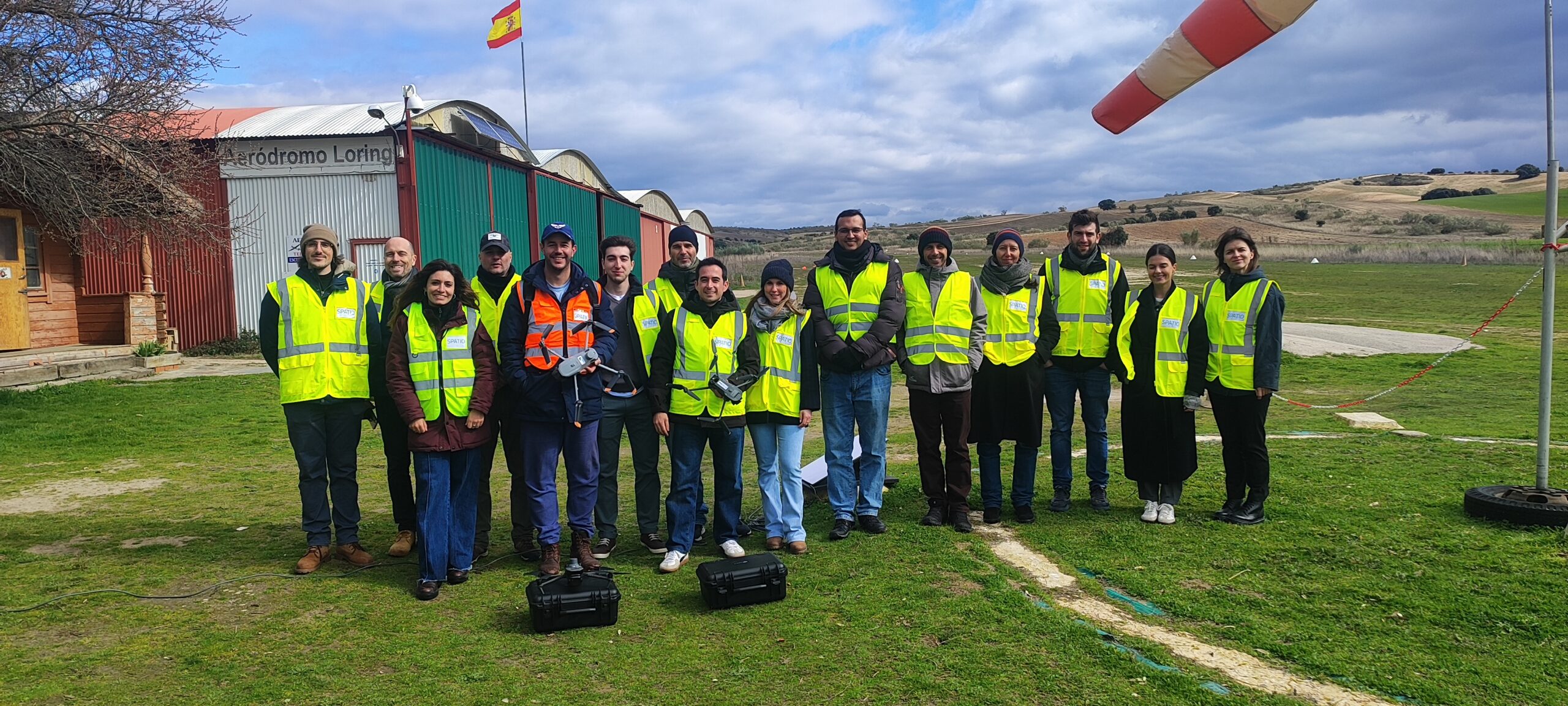
Led by Indra, the validation campaign brought together key project partners including ENAIRE/CRIDA, INECO, Unifly, Unisphere, Universitat Politècnica de València (UPV), Universidad Politécnica de Madrid, Boeing and Deep Blue. The exercises focused on advancing and testing tactical deconfliction services, including both prediction and resolution capabilities, in a real operational environment.
Advancing tactical deconfliction in U-space operations
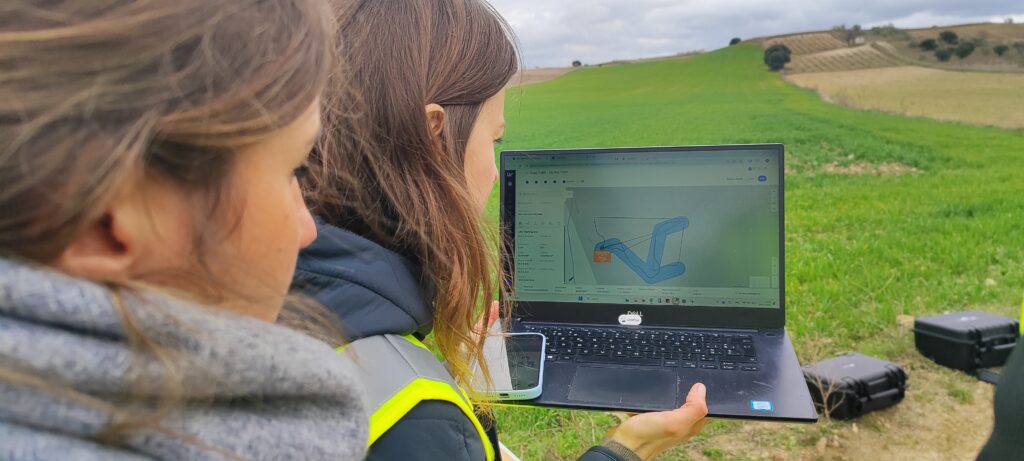
The validation demonstrated how tactical deconfliction services act as a critical safety barrier in the airspace, complementing strategic deconfliction mechanisms already validated in Solution 1. By introducing this additional tactical layer, the solution enables safer and more efficient management of drone traffic, even in complex operational scenarios.
Key benefits demonstrated during the validation
The campaign delivered promising results in several key areas:
- Safety: Tactical deconfliction services were successfully validated as a robust additional safety layer, reinforcing the overall separation management framework.
- Capacity and efficiency: Reduced separation planning allows more simultaneous drone operations, improving the overall use of airspace resources.
- Autonomy: The solution represents an important step towards enabling fully autonomous drone operations.
- Interoperability: The validation was successfully conducted in a multi-USSP environment, demonstrating the ability of different service providers to operate together.
Collaboration driving innovation
The milestone achieved at the Loring airfield highlights the importance of strong collaboration across the European aviation ecosystem. By bringing together industry, research organisations and operational stakeholders, the SPATIO project continues to transform innovative concepts into operational capabilities for the future of U-space.